Brazilian Executive MBA Targets Growing Domestic Rental Car Industry
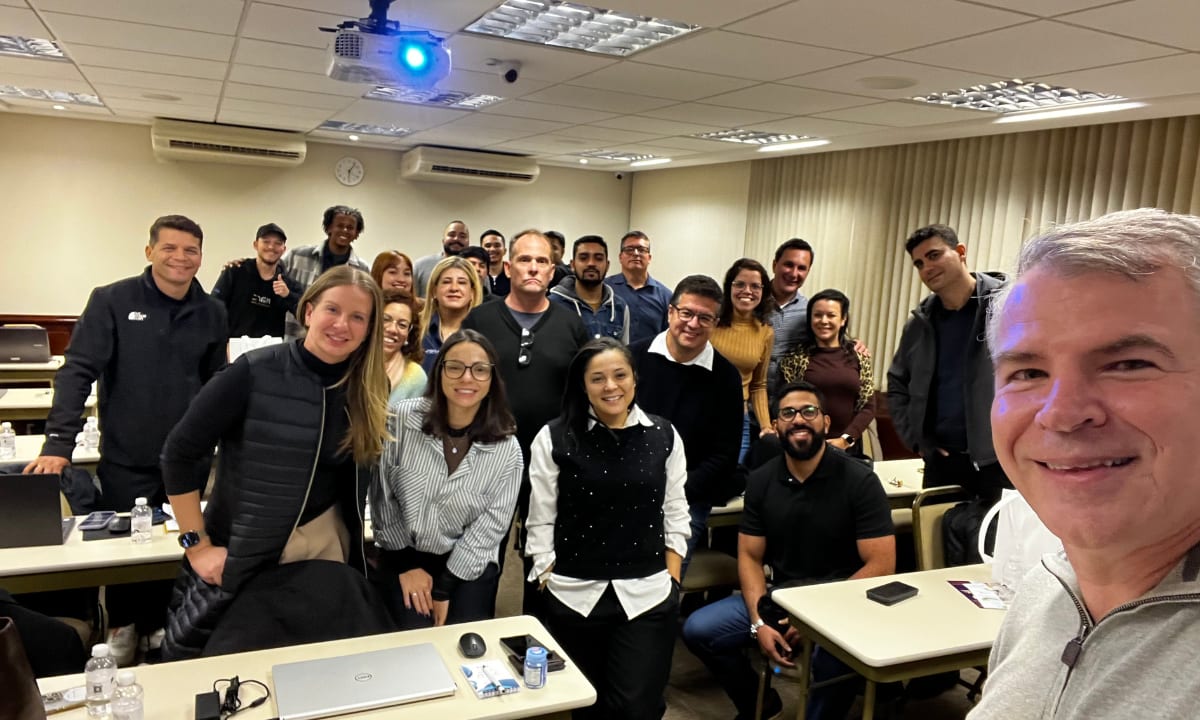
One of Brazil's first executive MBA programs dedicated exclusively to the rental industry is launching with the goal of preparing business leaders for the increasingly complex demands of fleet, mobility, and equipment rental operations.
Called MBARental, the postgraduate program was developed by Julian Gritsch and JGCorp in partnership with Audit Academy and will be academically certified through UniFil, a Brazilian higher education institution accredited by the country's Ministry of Education.
Organizers say the program fills a longstanding gap in executive education for an industry that has evolved into a sophisticated business requiring expertise in finance, operations, technology, data analytics and asset management.
While business schools routinely offer MBAs covering general management disciplines, the creators of MBARental argue that rental car companies face a unique combination of challenges that are rarely addressed in traditional programs. Vehicle and equipment rental businesses must balance vehicle acquisition, financing, maintenance, usage, pricing, remarketing, risk management, and customer service while adapting to emerging technologies such as artificial intelligence and connected vehicles.
Brazil's rental sector has grown rapidly in recent years, particularly in mobility services and equipment rental, creating demand for formal executive education tailored to the industry's business model, according to the program's organizers.
A Multi-Track Curriculum
MBARental is structured within Brazil's 'lato sensu' postgraduate framework. Students who successfully complete the academic requirements will receive certification issued through UniFil. Organizers emphasize that the program is designed as a regulated postgraduate specialization rather than a private industry training course.
The curriculum is organized around four major components.
1. A 160-hour common core covers rental economics, finance, leadership, legal issues, taxation, technology, artificial intelligence, credit and loss prevention. Students may choose between a 120-hour Mobility Rental specialization, or a 120-hour Equipment Rental specialization, or complete both tracks for a broader 480-hour program.
2. The Mobility Rental curriculum focuses on car rental, fleet management, vehicle subscription, carsharing, trucks, motorcycles, acquisition strategies, remarketing, telematics, maintenance, claims management, pricing, and revenue management.
3. The Equipment Rental track addresses machinery, generators, industrial assets, maintenance practices, service-level agreements, predictive maintenance, electrification, automation and Internet of Things technologies.
4. An additional set of integrative modules examines broader business topics including competitive strategy, marketing, ESG, governance, succession planning, mergers and acquisitions, energy transition and future scenarios affecting the rental economy.
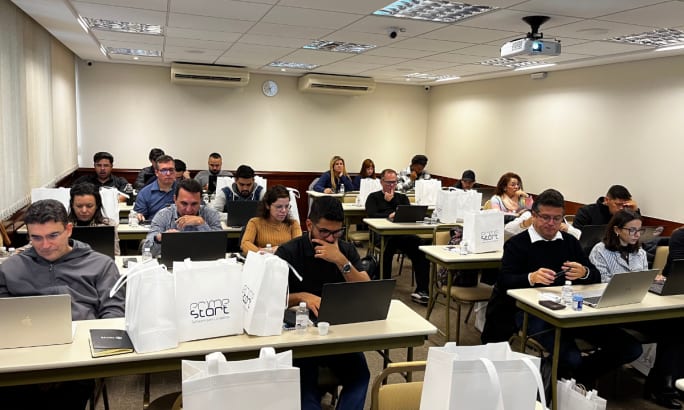
The inaugural class will be limited to 30 participants. Organizers said the smaller cohort is intended to encourage collaboration among executives rather than create a large-scale educational program.
JG Corp.
The program is intended for owners and executives of rental companies, next-generation leaders in family-owned businesses, fleet, operations, finance, commercial, technology and risk managers, as well as suppliers, consultants and other companies supporting the rental industry.
In a statement announcing the program, Gritsch said rental companies today operate as financial, operational and technology organizations throughout the entire asset lifecycle, creating the need for executive education that reflects that complexity.
The inaugural class will be limited to 30 participants. Organizers said the smaller cohort is intended to encourage collaboration among executives rather than create a large-scale educational program.
The launch is notable beyond its educational focus. The program illustrates how Brazil's rental market continues to mature by bringing together mobility, fleet management, finance, equipment rental, technology and artificial intelligence under a single educational framework.
As rental companies worldwide continue to adopt connected vehicles, AI-driven decision making and increasingly sophisticated asset management practices, specialized executive education may become a larger part of developing future industry leaders.